Governor Proclaims March “Washington Agriculture Month”
National Agriculture Weeks takes place March 15-21 and National Agriculture Day takes place March 24.
Courtesy of the Washington State Department of Agriculture
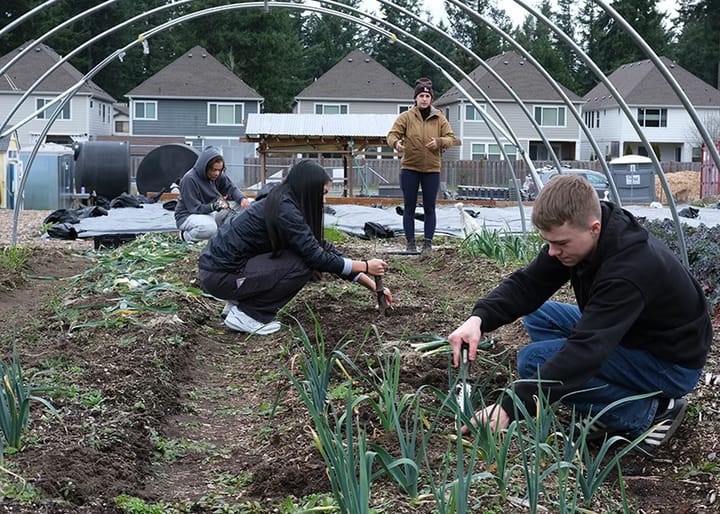
OLYMPIA – Washington State Department of Agriculture (WSDA) is celebrating agriculture’s vital role in the state following Governor Bob Ferguson designating March 2026 as Washington Agriculture Month.
Issued by Governor Ferguson on March 2, the proclamation highlights agriculture as a cornerstone of Washington’s economy, culture and communities. Agricultural communities across the state will also celebrate National Agriculture Week (March 15–21) and National Agriculture Day (March 24) in the month of March.
The proclamation states, “declaring March as Washington Agriculture Month provides an opportunity for all Washington residents to recognize and celebrate the essential role of agriculture in our daily lives, to learn where their food and products come from, and to support the people and communities who make it possible; and to inspire future generations to pursue careers in agriculture and related fields.”
“Agriculture touches every corner of our state, from family farms to global exports,” said WSDA Director Derek Sandison. “Washington Agriculture Month is a chance to celebrate the people who grow, raise and produce the food and products we depend on every day.”
Washington agriculture’s impact: local and global
According to the 2022 USDA Census of Agriculture, Washington is home to more than 32,000 farms and ranches operating on nearly 13.9 million acres. These farms produce more than 300 commodities and support food systems locally, nationally and globally. The global reach of Washington agriculture is significant, as more than $7.6 billion in Washington-grown or processed food and agricultural products were exported to international markets in 2024.
Washington ranks first in the nation in production of apples, blueberries, hops, onions, pears, spearmint oil and sweet cherries, and second in apricots, grapes, potatoes, raspberries and winter wheat.
Recognizing those who support Washington agriculture
The proclamation underscores the importance of farmers and ranchers, but also the many additional partners who make agriculture possible, including producers, farmworkers, processors, distributors, researchers, educators, tribes and state and local agencies.
“Washington Agriculture Month is about more than crops,” added Sandison. “It’s about people, innovation, stewardship of the land and ensuring a strong future for agriculture in our state.”