King County boosts food infrastructure through grant program
Infrastructure grant awards more than $750,000 to local food banks, farms and distributors.
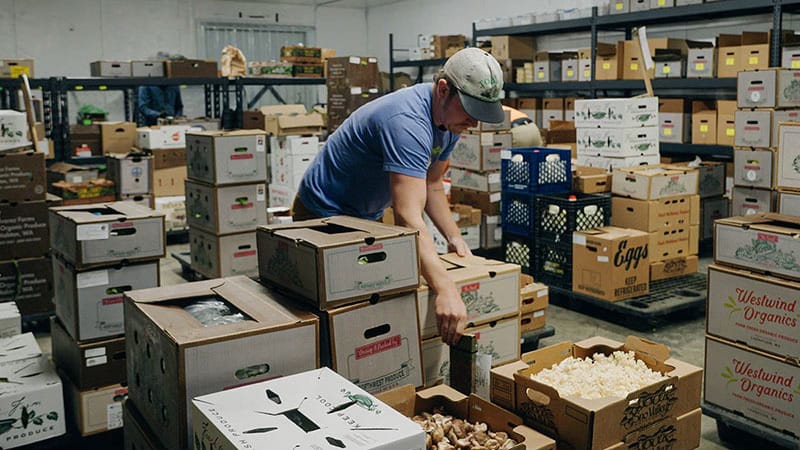
Local food banks, farm businesses and distributors received support in September thanks to $755,000 in grants funded through King County.
The 22 grants will fund refrigerators, freezers and other equipment to store and process fresh food for people in need.
“King County is stepping up to support trusted organizations that help our neighbors who are experiencing hunger,” said King County Executive Shannon Braddock in a press release. “These small grants support the infrastructure that helps get nutritious food from farmland to table for those most in need.”
The money for the grants comes from local dollars, which was redirected after plans for the South Seattle Community Food Hub, which was planned to be located at 915 South 96th St., fell through when federal funding was withdrawn, according to the press release.
The food infrastructure grant funding was originally an appropriation from the general fund earmarked for the South Seattle Food Hub. The grant dollars were one part of the overall funding for the food hub, King County spokesperson Doug Williams said in an email. Additional dollars from federal and state sources were part of the mix. Concern around the federal grant was a major factor in the project being canceled.
More than 60 organizations applied for the grant funding, requesting a total of nearly $4 million.
Here are a few of the projects awarded through the King County Local Food System Infrastructure Grant funding administered by the Department of Natural Resources and Parks:
Wakulima USA: received fund for shed and tools at Horseneck Farm located in south King County. Wakulima USA is a farm and food business cooperative that helps small business development and food sovereignty for low-income immigrants and people of color in the Puget Sound region, according to the Wakulima USA website. Wakulima means “farmers” in Kiswahili, a widely spoken language in Africa.
Blueberry Glenn, a blueberry farm located in Duvall, received funding for cold storage, freezer storage, and weatherproof storage for berry production.
Farmstand Local Foods: The grant will expand Farmstand Local Foods’ refrigeration and freezer capacity, which currently limits the sales and distribution organization’s ability to purchase and distribute products farmed in King County and beyond.
El Centro de la Raza: The food bank at El Centro de la Raza in Seattle’s Beacon Hill neighborhood will use the funding to repair its walk-in cooler.
Boys and Girls Club of King County: The southwest King County organization will use the funding to purchase mini and full-sized refrigerators, a full freezer, plus a variety of storage containers and kitchen items, improving their capacity to safely store, process, prepare, and distribute food to club youth and families. The organization has partnerships with the White Center Food Bank and Aash Farms in Woodinville, and the new materials means they can extend the shelf-life of fresh produce, increase capacity to freeze surplus items for later use, and expand the quantity and variety of foods available to the 325 youth and families served annually.
Sound Generations: Grant funding will be used to expand the Sound Generations Community Dining program, a nutritious and affordable hot lunch program for older adults that operates at 27 sites throughout King County. Funds will be used to help purchase commercial freezers for senior activity centers in Auburn and Enumclaw.
Tojo Commissary: Based in South Park, Tojo Commissary will purchase two new hoodless electric ovens, along with the electrical upgrades needed to install the equipment. These additions will make the space more useful to small food businesses, many of whom can’t find access to commissary kitchens that are already at capacity. Additional commercial kitchen space means more non-profit and for-profit businesses can use, prepare, and distribute locally grown food.
Rehoboth Christian Development Center: Inadequate cold storage and food-handling infrastructure are limiting the ability of the Federal Way-based nonprofit from providing the culturally responsive fresh food that immigrant, refugee and underserved families need. The grant will be used to purchase and install a commercial walk-in cold storage unit, upgrade the food-handling area, coordinate food collection from local farms, purchase culturally familiar food items not typically available through food banks, and support transportation logistics.
The grants advance King County’s Local Food Initiative, a policy and funding strategy that strengthens the local food economy so more people have access to healthy, locally grown food.
— Photo courtesy of King County.