Seattle Art Museum exhibition explores Farm to Table in Age of Impressionism
Farm to Table: Art, Food and Identity in the Age of Impressionism exhibition continues until Jan. 18 at The Seattle Art Museum.
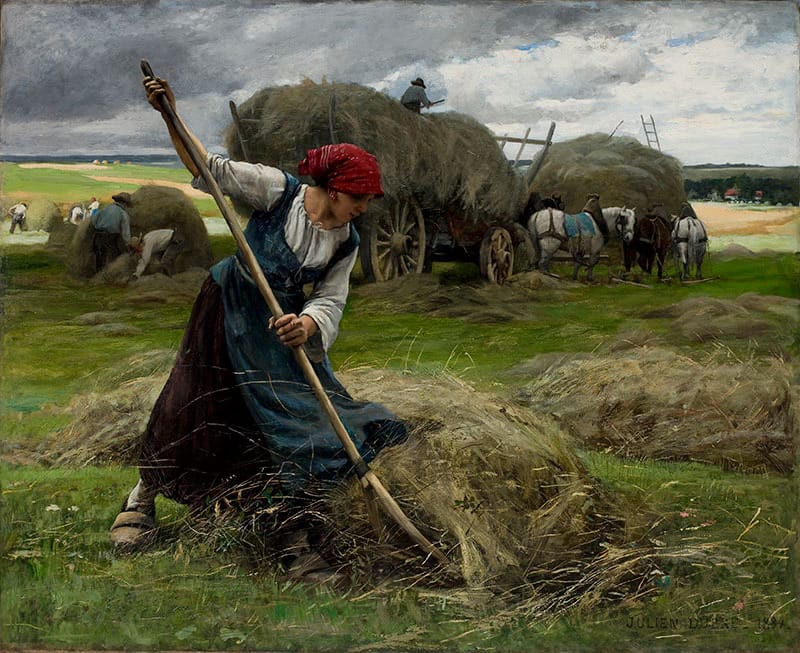
The Seattle Art Museum is presenting Farm to Table: Art, Food, and Identity in the Age of Impressionism that goes through Jan. 18. Farm to Table showcases more than 50 Impressionist artists such as Claude Monet, Paul Gauguin, Eva Gonzales, and Pierre-Auguste Renoir and explores the intersections of art, gastronomy and national identity in late 19th-Century France, according to a press release. The three-month show is the only West Coast showing of Farm to Table and is the final stop on the exhibition’s national tour.
“I can think of no better place than Seattle, a city known for its diverse culinary scene and commitment to sustainable sourcing, for this exhibition,” said Scott Stulen, SAM’s Illsley Ball Nordstrom Director and CEO. “We look forward to welcoming visitors to this exhibition, which will be a feast for the eyes and an invitation to embrace creativity and meaning in food.”
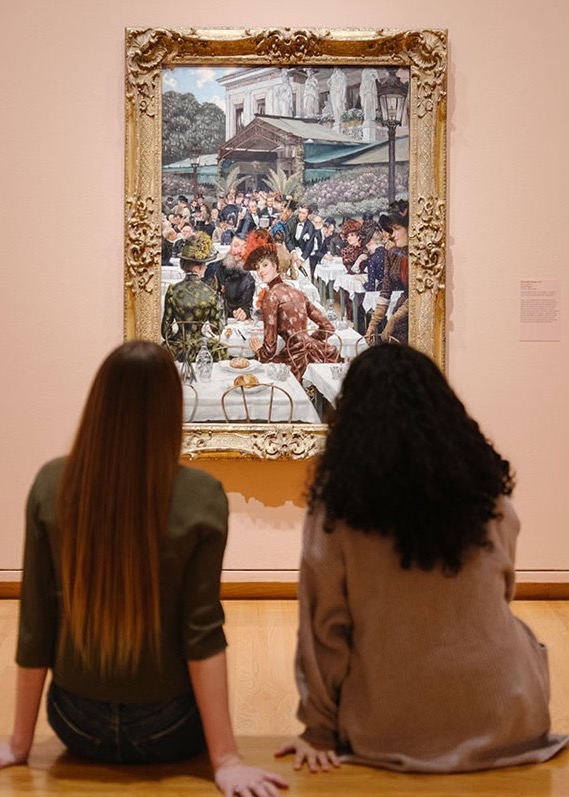
Through paintings of landscapes, market and cafe scenes, still lifes, and vivid genre scenes, as well as several sculptures, Farm to Table explores how Impressionist artists depicted the preparation, processing, commerce, consumption and absence of food to reflect the social and economic realities of the period, the press release stated. Organized into five sections, following food from cultivation on the farm to the marketplace to the dining table, these works highlight the evolving norms of gender and class; the tenuous relationship between Paris and the provinces, and the colonies; and shifting understandings of science and the environment.
The cuisine of France has long been a marker of the country’s strength and prestige, especially as it grappled with political instability and shifting social dynamics following the Franco-Prussian War in 1870. In this climate, France’s culinary traditions signaled its refinement, fortitude, and ingenuity while they also exposed fractures that destabilized national identity. From cultivation to consumption, food was central to notions of glory but also to those of collective struggle.
This exhibition is organized by The American Federation of Arts (AFA) in collaboration with The Chrysler Museum of Art, curated by Andrew Eschelbacher, Director of Collections and Exhibitions at the Amon Carter Museum of American Art, and adapted for a unique presentation at the Seattle Art Museum by Theresa Papanikolas, SAM’s Ann M. Barwick Curator of American Art.
The exhibition has been supported by Marth MacMillan and Monique Schoen Warshaw and supported in part by the National Endowment for the Arts.
For more information, go to www.seattleartmuseum.org.